Decorating a student room on a tight budget is totally possible when you focus on simple Diy yourself home decor projects that are fun, quick, and renter‑friendly. With a few basic supplies and some creativity, you can turn a plain, generic room into a cozy, functional space that actually feels like yours.
Create a Cozy DIY Photo Wall
A photo wall is one of the easiest Diy yourself home decor ideas for students because it is cheap, personal, and removable when you move out. It also fills empty walls and makes your room feel warmer and more lived‑in.
- Print your favorite photos, quotes, and postcards in different sizes and arrange them above your bed or desk in a grid or collage.
- Use washi tape, mini clothespins with string, or removable adhesive hooks so you do not damage the walls in your dorm or student apartment.
Upcycle Jars and Cans Into Storage
Upcycling is perfect for students because it saves money and reduces waste while giving your room a unique look. Turning jars and cans into storage is a simple Diy yourself home decor project that also keeps your desk and shelves organized.
- Clean glass jars and metal cans, then paint them or wrap them with twine, fabric, or decorative paper to match your color scheme.
- Use them as pen holders, makeup brush pots, utensil holders, or mini plant pots on your desk, shelves, or windowsill.
DIY Wall Art With Simple Materials
You do not need to be an artist to create cool wall art for your student room. Minimalist and abstract pieces are perfect for Diy yourself home decor because they are easy to make and look great in small spaces.
- Use a cheap canvas or thick paper and create abstract shapes with masking tape and paint, or try simple line art with a black marker on a white background.
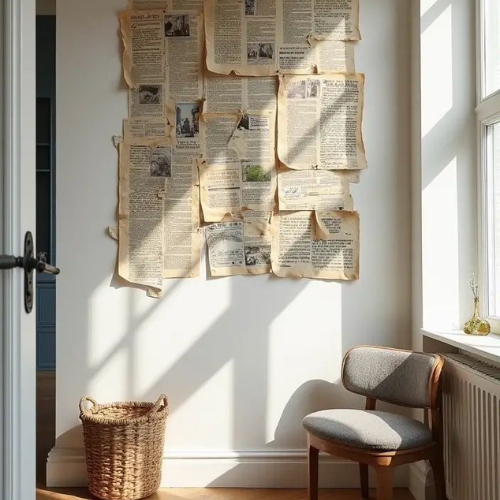
- Frame fabric scraps, wallpaper samples, or pages from old magazines to create a matching set of 2–3 art pieces above your bed or sofa.
Make a DIY Bulletin or Vision Board
A bulletin board is both decorative and practical, which is ideal for student life. It helps you stay organized while also acting as a visual focal point in your room.
- Use a cork board, metal grid, or a piece of cardboard covered with fabric to pin notes, to‑do lists, photos, tickets, and inspiration.
- Add fairy lights or a simple LED strip around the board to turn it into a cozy Diy yourself home decor feature next to your desk.
Customize Pillows and Throws
Textiles instantly make a space feel warm and comfortable, which is exactly what a student room needs. Customizing cushions is an easy way to add style without changing big furniture pieces.
- Buy plain cushion covers and decorate them with fabric paint, iron‑on patches, or simple embroidery for a unique, personalized look.
- Drape a DIY blanket or a thrifted throw over your bed or chair to add texture and tie together the colors in your room.
Add Plants With DIY Planters
Plants bring life into a small room and make it feel fresher and more inviting. With Diy yourself home decor planters, even the cheapest plants can look stylish and intentional.
- Paint terracotta pots in your favorite colors or wrap them with rope and glue for a boho look.
- Use old mugs, tins, or candle jars as planters for small succulents or herbs on your desk, shelves, or windowsill.
Simple SEO Tips for This DIY Decor Article
To help this article rank for the keyword Diy yourself home decor, optimize a few elements when you publish it on your blog:
- Include “Diy yourself home decor” in your H1, in the introduction, in at least one H2, and naturally a few more times in the text where it fits.
- Write a meta description of about 140–160 characters, for example:
“Easy Diy yourself home decor ideas for students: budget‑friendly projects to personalize your room with DIY wall art, storage, plants and cozy textiles.” - Add descriptive alt text to your images, such as “diy yourself home decor student room photo wall” or “DIY desk organizer from upcycled jars”, to help search engines understand your visuals.
You can now paste this article into your blog editor, adjust a few sentences to match your tone of voice, and add your own photos or short videos showing each DIY step to make it even more engaging for your student audience.