
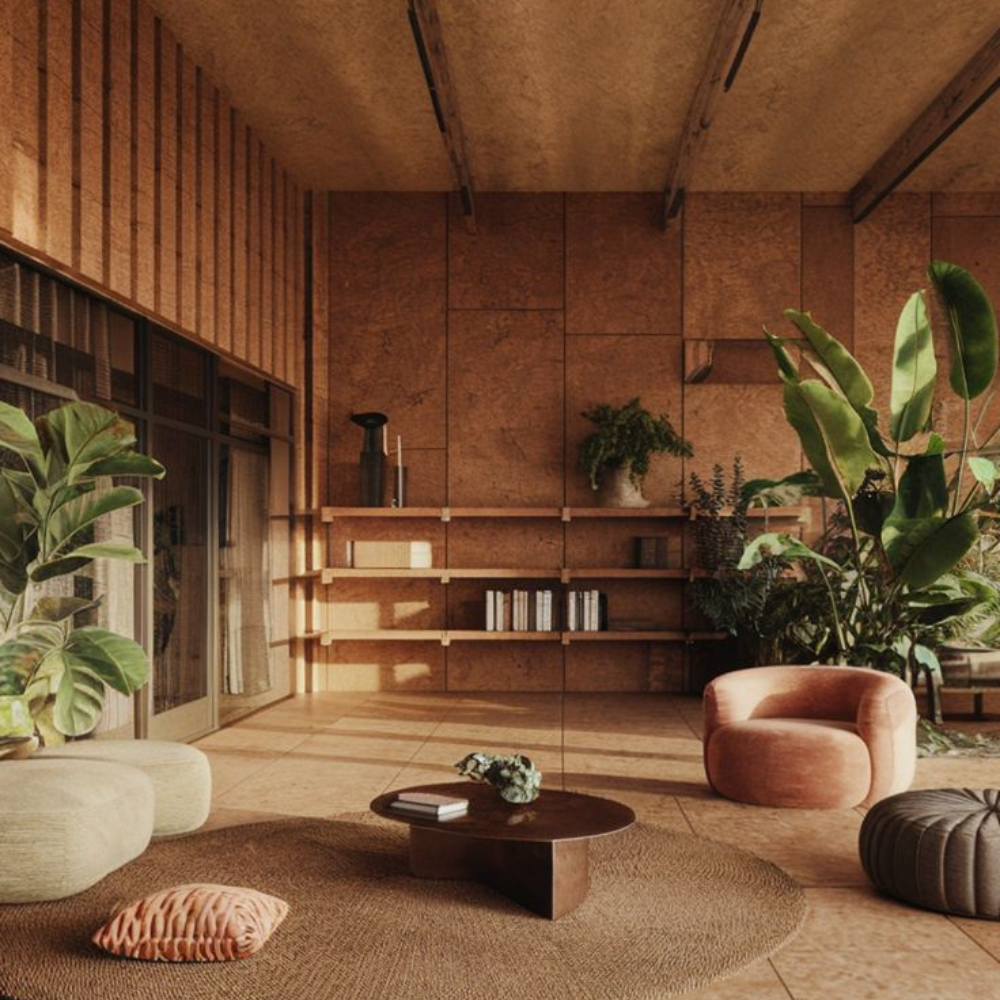
Responsible Decorating & Green Tips for Your Student Space
Decorating your student room is exciting, but it’s also a chance to make choices that are kinder to the planet. Responsible decorating doesn’t mean giving up style or comfort: it means rethinking how you buy, what you reuse, and how long your decor will last. With a few simple habits, you can create a cozy, beautiful room that reflects your values and reduces your environmental impact.
1. Start with What You Already Have
The greenest decor is the one you already own. Before buying anything new, take inventory of your stuff and what you can reuse or transform.
- Reuse old sheets, cushions, storage boxes, baskets and even luggage as under‑bed storage.
- Bring items from home instead of buying duplicates: lamps, throws, small shelves, decor objects.
This reduces waste, saves money, and keeps you from accumulating unnecessary items that will be hard to move or resell later.
2. Choose Secondhand and Upcycled First
Buying secondhand is one of the easiest ways to decorate responsibly as a student. It extends the life of objects and avoids the environmental cost of producing something new.
- Look for desks, chairs, shelves and bedside tables on local resale platforms, charity shops, flea markets or campus groups.
- Choose solid wood or metal furniture you can sand, repaint or customize instead of cheap pieces that won’t survive a move.
Upcycling is another powerful tool: turning glass jars into storage, an old ladder into a bookshelf, or fabric scraps into wall art makes your space unique while keeping items out of the bin.
3. Opt for Sustainable Materials and Textiles
When you do buy new, the material matters. Favour long‑lasting, low‑impact options that you’ll want to keep beyond one academic year.
- For bedding and towels, look for organic cotton, linen or bamboo grown without harmful pesticides.
- For decor and small furniture, prefer wood, bamboo, metal, glass, jute or cork instead of lots of virgin plastic.
These choices are often more breathable, healthier for your skin and air quality, and can be reused or recycled more easily in the long term.
4. Make Lighting and Energy Use More Eco-Friendly
Responsible decorating also means thinking about how your room uses energy every day. Good lighting can be both cozy and efficient.
- Use LED bulbs: they last longer and can save up to around 75% of the energy compared to traditional bulbs.
- Make the most of natural light by raising blinds and placing your desk near the window to reduce the need for overhead lighting during the day.
Unplug chargers and electronics when not in use, and choose a multi‑plug with an on/off switch to cut power easily when you leave the room.
5. Bring Nature In with Plants
Plants are one of the most effective “green” decor elements: they clean the air, improve your mood and make a small room feel alive.
- Choose easy‑care species like pothos, spider plants or snake plants if you’re a beginner or often away.
- Use vertical solutions (hanging planters, shelves, wall hooks) to add greenery without losing floor space in a tiny room.
You can also propagate cuttings from friends’ plants instead of buying new ones, which is cheaper and avoids plastic pots and packaging.
6. Green Your Storage and Daily Habits
Responsible decor continues in how you store, clean and organize your life as a student. Small habits add up quickly over a year.
- Use reusable containers (glass jars, silicone bags) for snacks, leftovers, or small items instead of single‑use plastic bags.
- Choose baskets and boxes made from canvas, metal or recycled plastic for storage, rather than low‑quality plastic that breaks easily.
- Go as paperless as possible for notes, readings and admin: digital notes, shared documents and e‑books can cut down on printed paper and clutter.
For cleaning, a few eco‑friendly products, reusable cloths and a DIY air freshener with essential oils keep your room fresh without harsh chemicals.
7. Buy Less, Choose Better, Make It Last
The core of responsible decorating can be summed up in three steps: buy less, choose better, and make it last.
- Ask yourself before each purchase: “Will I still want to use this in two years?”
- Focus on versatile items that fit different styles and could move with you to your next flat.
By treating your student room as the start of your long‑term home style rather than a disposable phase, you build a space that is kinder to the planet, your wallet and your future self.